Marketingrapporten beginnen vaak met het grootste beschikbare getal.
Miljoenen impressies. Duizenden interacties. Honderden mediavermeldingen.
Deze cijfers zijn niet waardeloos. Ze beantwoorden een verspreidingsvraag: hoeveel kans was er dat mensen het verhaal tegenkwamen?
Ze beantwoorden niet de commerciële vraag: welke waardevolle voortgang volgde daarna?
De oplossing is niet doen alsof elke impressie een verkoop veroorzaakte. Het is een geloofwaardige bewijsketen bouwen van aandacht naar de uitkomsten waar het bedrijf om geeft.
De Earned ROI-ladder
Niveau 1: aandacht
Impressies, bereik, views en berichtgeving geven blootstelling aan. Rapporteer methode, periode en bron zodat het getal te begrijpen is.
Niveau 2: vertrouwen
Relevante pers, deelname van experts, klantaanbevelingen en geloofwaardig productgebruik kunnen ervaren risico verminderen. Vertrouwen is deels kwalitatief, maar je kunt merkzoekverkeer, direct verkeer, salesfeedback en herhaald gebruik van het bewijs observeren.
Niveau 3: actie
Routekliks, bezoeken, registraties, downloads, aanvragen en aanmeldingen laten zien dat een deel van het publiek meer deed dan kijken.
Niveau 4: gekwalificeerde kans
Een lead wordt waardevoller wanneer de persoon past bij het klantprofiel, een relevante behoefte heeft en realistisch kan kopen.
Niveau 5: commercieel resultaat
Verkoop, brutowinst, financiering, herboekingen en behouden eigendom zijn bedrijfsuitkomsten. Attributie moet eerlijk zijn wanneer meerdere factoren hebben bijgedragen.
Niveau 6: samengesteld bedrijfsmiddel
Een subscriberbestand, evergreen route, herbruikbare bewijsbibliotheek, mediarelatie of herhaalbare samenwerking blijft waarde opleveren nadat de campagneperiode voorbij is.
Aandacht → vertrouwen → actie → gekwalificeerde kans → commercieel resultaat → samengesteld bedrijfsmiddel. Rapporteer het hoogste niveau dat je met bewijs kunt onderbouwen.
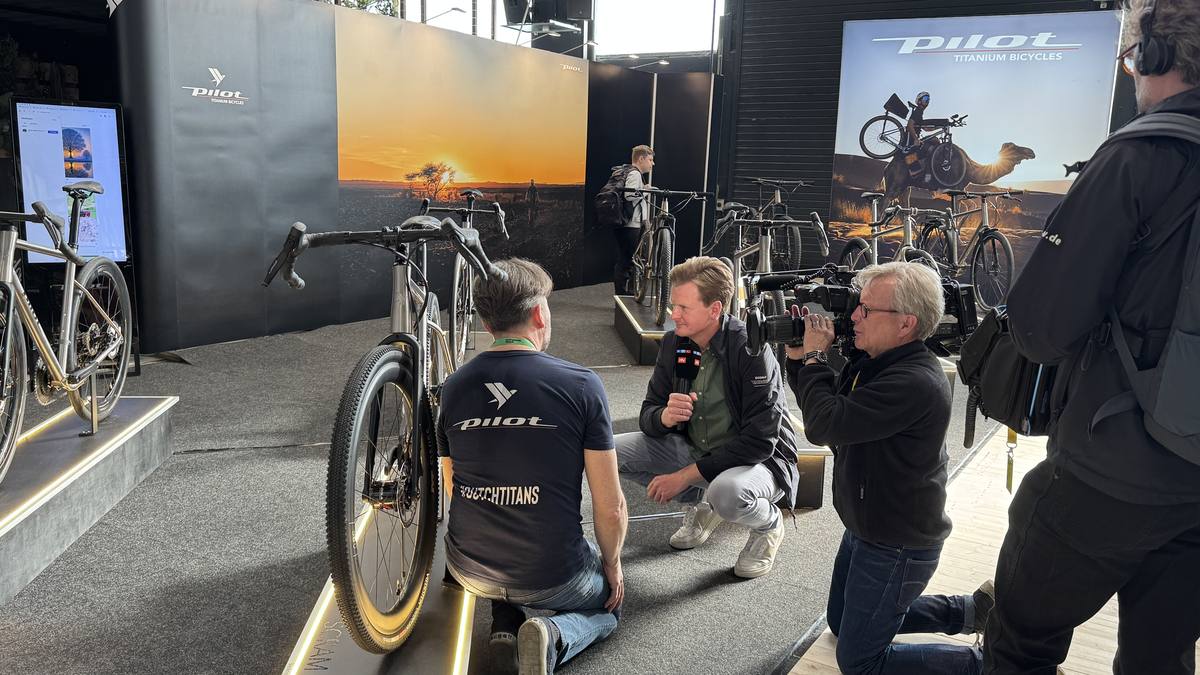
Pilot: bereik gekoppeld aan leads voor premium fietsen
Pilot Cycles leverde 9M impressies en 270+ leads op voor fietsen van €8.000+. De samenwerking werd 100% op afstand gemanaged en gebruikte €0 advertentiebudget.
Het impressiegetal toont verspreiding. De 270+ leads tonen een waardevoller niveau van respons van mensen die geïnteresseerd zijn in een premium, weloverwogen aankoop.
We moeten 270 niet vermenigvuldigen met €8.000 en het resultaat omzet noemen. Leads zijn geen verkopen. Closerate, timing, betrokkenheid van dealers, brutomarge en attributie doen er allemaal toe.
Een verantwoorde volgende berekening is:
Gekwalificeerde leads × waargenomen closerate × brutowinst per verkoop = verwachte bijdrage aan brutowinst.
Vergelijk die bijdrage alleen met de totale campagne-investering wanneer de invoergegevens beschikbaar en geloofwaardig zijn.
Toerisme: evergreen actie en jaarlijkse herboeking
Een routeprogramma van een toeristenbureau genereerde 900.000+ routekliks, meerdere jaarlijkse herboekingen, €0 licentiekosten en €0 advertentiebudget.
De routekliks tonen actieve interesse in plaats van passieve blootstelling. Herboekingen tonen dat de klant de aanpak waardevol genoeg vond om te blijven kopen. De evergreen routecontent bleef ook een bruikbaar bedrijfsmiddel.
Dat is een sterker ROI-verhaal dan één groot bereikcijfer op de launchdag.
De filmmaker: waarde vastgelegd via eigendom
De Hero Filmmaker verwachtte aanvankelijk €100.000 te zoeken bij een investeerder en daarvoor een deel van het bedrijf weg te geven.
Een helderdere propositie hielp hem zijn waarde te zien, te tonen en te verkopen. Hij behield 100% eigendom en behaalde 10x ROI op de samenwerking binnen negen maanden vanaf dag 0.
Het waardevolle resultaat waren geen impressies. Het was sterkere commerciële waardevastlegging zonder eigendom af te staan.
Pilot: 9M impressies en 270+ leads voor premium fietsen.
Toeristenbureau: 900.000+ routekliks en meerdere jaarlijkse herboekingen.
Hero Filmmaker: 100% eigendom en 10x ROI op de samenwerking binnen negen maanden.
Bouw meting op vóór verspreiding
Je kunt niet elk ontbrekend signaal betrouwbaar reconstrueren na afloop van de campagne.
Spreek voor publicatie af:
- welke bedrijfsbeslissing het werk moet ondersteunen
- wie de ideale klant of het doelpubliek is
- welke volgende stap voor hen beschikbaar is
- welke systemen bezoeken, aanmeldingen of leads vastleggen
- hoe leadkwaliteit en verkoop worden vastgelegd
- de periode die voor rapportage wordt gebruikt
- welke resultaten direct, ondersteunend of alleen gecorreleerd zijn
Dit voorkomt de veelvoorkomende situatie waarin een campagne aandacht krijgt, maar niemand kan uitleggen of die aandacht waardevol was.
Meet de kosten van alternatieven
Earned-programma's zouden geen advertentiebesparing moeten claimen door een willekeurige mediawaarde toe te kennen aan elke impressie.
Een nuttigere vergelijking is wat het bedrijf realistisch had moeten uitgeven om via een andere route een vergelijkbaar niveau van relevante verspreiding, content, vertrouwen en leadverzameling te creëren.
Reken interne tijd, productie, reizen, tools en partnerkosten mee. '€0 advertentiebudget' betekent geen nul investering. Het betekent dat verspreiding niet via advertenties is ingekocht.
Een rapportagestructuur voor de directie
- Doel: het bedrijfsresultaat dat we wilden beïnvloeden.
- Investering: geld, tijd en middelen die zijn gebruikt.
- Aandacht: verspreiding met bron en periode.
- Kwaliteit: wie reageerde en waarom ze ertoe doen.
- Commerciële beweging: leads, verkoop, financiering of herboeking.
- Gecreëerde middelen: bewijs, subscribers, content en relaties die blijven bestaan.
- Grenzen: wat niet causaal is toe te schrijven.
- Volgende beslissing: stoppen, bijstellen, herhalen of opschalen.
Wat hebben de impressies opgeleverd?
Soms is het eerlijke antwoord bekendheid, en niets meer. Dat kan nog steeds strategisch nuttig zijn.
Maar als het doel vraag, financiering, verkoop of herboeking was, moet het rapport verder de ladder af.
Groot bereik wordt waardevol bewijs wanneer het bedrijf kan laten zien wie er handelde, wat er veranderde en welke middelen blijven werken nadat de aandacht is verdergegaan.
Vind het verhaal dat de markt zal doorvertellen
Breng propositie, bewijs, externe stemmen, timing en de commerciële volgende stap samen voordat het aandachtsvenster opengaat.
Plan een Outside-In gesprek