Nederland is misschien wel de bekendste fietsmarkt ter wereld. Dat maakt het nog geen eenvoudige markt voor een fietsmerk.
Fietsen hoort bij ons dagelijks leven, onze sportidentiteit en onze infrastructuur. Klanten begrijpen fietsen. Winkeliers hebben talloze productclaims gehoord. Journalisten en makers kennen de markt. Een algemene belofte die elders onderscheidend klinkt, verdwijnt in het Nederlandse fietslandschap.
De marketingopgave is daarom niet simpelweg om meer fietsers te bereiken. Je moet de specifieke waarde van het merk herkenbaar, geloofwaardig en bruikbaar maken.
De paradox van de Nederlandse fietsmarkt
Een volwassen fietscultuur zorgt tegelijk voor een groot publiek en een hoge drempel voor geloofwaardigheid.
Klanten hebben vergelijkingsmateriaal. Ervaren fietsers vergelijken geometrie, onderdelen, materialen, service en de totale gebruikservaring. Brede lifestyletaal beantwoordt zelden de vragen die bij een premium aankoop het verschil maken.
De sector is sterk verbonden. Winkeliers, onderdelenmerken, media, sporters, makers en organisatoren werken in overlappende netwerken. Een goed verhaal kan snel reizen, maar een zwakke claim wordt net zo snel doorgeprikt.
Nederlandse bescheidenheid kan echte waarde verbergen. Bedrijven die door oprichters of ingenieurs worden geleid, laten het product graag voor zichzelf spreken. De markt ontdekt de belangrijkste waarheid alleen niet vanzelf. Iemand moet nog steeds vertalen waarom de innovatie, het vakmanschap of de service ertoe doet.
Internationale ambitie vraagt meer dan Engelse teksten. Een Nederlands merk kan wereldwijd verkopen, terwijl zijn verhalen, bewijs en relaties rond de thuismarkt georganiseerd blijven. Internationale groei vraagt om lokale geloofwaardigheid en verspreiding, niet alleen om vertaling.
Begin bij het koopmoment, niet bij de contentkalender
Bepaal eerst op welk moment het product uitzonderlijk waardevol wordt. Kies daarna pas platformen en vormen.
Bij een titanium maatfiets kan dat het moment zijn waarop een rijder zich voorbereidt op jarenlange, betrouwbare langeafstandstochten. Bij een innovatie in bandenspanning kan het een wedstrijd zijn waarin wisselende ondergronden de beperking van vaste druk zichtbaar maken. Bij een stedelijk mobiliteitsproduct kan het gaan om een werkgever of gemeente die dagelijks fietsen voor een bepaalde groep makkelijker wil maken.
De sterkste fietsmarketing verbindt zes elementen:
- Klant: de rijder, koper, winkelier of partner met de sterkste reden om op te letten.
- Waarheid: het aantoonbare voordeel van het product of bedrijf.
- Situatie: het moment waarop dat voordeel makkelijk te begrijpen wordt.
- Bewijs: een test, klantresultaat, gebruik door een sporter, demonstratie of gerespecteerde buitenstaander.
- Verspreiding: de media, makers, partners, evenementen en platformen die deze klant al vertrouwt.
- Vervolg: de stap die interesse omzet in toestemming, een lead, een gesprek met een winkelier of een verkoop.
Pilot Cycles: premium productbewijs vertaald naar vraag
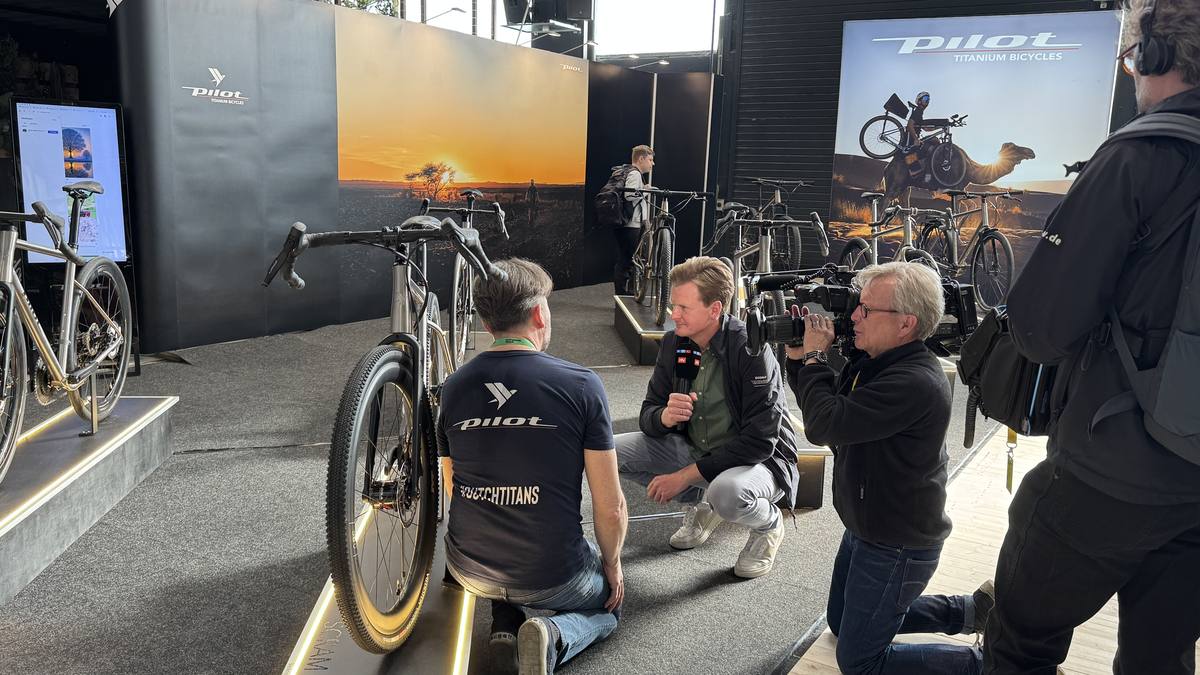
Pilot Cycles verkoopt titanium maatfietsen vanaf €8.000. Dat is geen impulsaankoop. Potentiële klanten moeten het product begrijpen, zich jarenlang gebruik kunnen voorstellen en de mensen erachter vertrouwen.
Een op afstand uitgevoerde campagne voor verdiende media-aandacht, gebouwd rond echte avonturen, eigen initiatief bij evenementen en verspreiding door partners, leverde 9 miljoen impressies en 270+ gekwalificeerde leads op. Het advertentiebudget was €0.
De les is niet dat ieder merk dezelfde reizen of vormen moet kopiëren. Premium producten vragen om premium bewijs. De sterkste content liet de fietsen zien tijdens zwaar en geloofwaardig gebruik. Dat bewijs kwam terecht bij rijders die al geïnteresseerd waren in avontuur, duurzaamheid en hoogwaardige uitrusting.
GRAVAA: maak technische innovatie onderdeel van een verhaal dat mensen al volgen
GRAVAA ontwikkelde technologie voor aanpasbare bandenspanning. De techniek was echt, maar de waarde liet zich moeilijk uitleggen met alleen specificaties.
De communicatiestrategie verbond de technologie aan momenten in het professionele wielrennen waarop bandenspanning de prestaties zichtbaar beïnvloedde. Internationale wedstrijden, gerespecteerde sporters en voorbereide mediarelaties veranderden een technische uitleg in een verhaal dat journalisten en rijders wilden begrijpen.
Het programma leverde 60 miljoen verdiende impressies op, verdrievoudigde het publiek op sociale media en bouwde zonder advertentiebudget een bestand op van meer dan 9.000 e-mailabonnees.
Ook hier zat de waarde in de verbinding: echte innovatie, geloofwaardig gebruik, het juiste moment, vertrouwde verspreiding en na de aandacht een directe relatie met de klant.
Wat Nederlandse fietsmerken zouden moeten meten
Bereik telt, maar mag nooit op zichzelf staan. Een bruikbaar meetsysteem onderscheidt aandacht van commerciële beweging.
Aandacht: relevante weergaven, passende media-aandacht en verspreiding door partners.
Herkenning: zoekopdrachten op de merknaam, profielbezoeken, gebruik van productpagina's en klanten die de bedoelde belofte zelf herhalen.
Toestemming: e-mailabonnees, inschrijvingen voor evenementen, productmeldingen en gesprekken die het merk kan voortzetten.
Vraag: vragen van dealers, aanvragen voor proefritten, gekwalificeerde leads, voorstellen en verkopen.
Waarde die blijft groeien: fotografie, bewijs uit praktijkcases, klanttaal, mediarelaties en tijdloze content die ook na de campagne bruikbaar blijven.
Een praktische eerste stap
Kies de drie klanten, winkeliers of partners die je het liefst opnieuw zou aantrekken. Vraag waardoor ze opletten, wat hun twijfel wegnam en welk deel van de ervaring de waarde bewees.
Vergelijk die antwoorden daarna met het eerste scherm van de website, de presentatie voor winkeliers en de briefing voor de volgende campagne.
Als de beste reden om voor het merk te kiezen pas duidelijk wordt na een gesprek met de oprichter, een technische demonstratie of maanden gebruik, hoef je niet harder te roepen. Je moet dat bewijs eerder zichtbaar maken.