Het persbericht is goedgekeurd. De productpagina is bijna af. Iemand stelt een lijst met journalisten samen. De launch is aanstaande dinsdag.
Op dat moment ligt het grootste deel van de uitkomst al vast.
Een launch creëert een korte periode waarin klanten, media, partners en investeerders mogelijk meer aandacht geven dan normaal. Als de waarde nog steeds lastig uit te leggen is, het bewijs onvolledig is en niemand weet waar interesse naartoe moet, wordt het moment dure ruis.
Sterke launches bouwen begrip en bewijs op vóórdat ze om aandacht vragen.
Nieuws is niet hetzelfde als een verhaal
Een bedrijfsaankondiging beantwoordt: wat is er gebeurd?
Een nuttig verhaal beantwoordt ook:
- Waarom is dit nu belangrijk?
- Wiens probleem lost het op?
- Wat maakt de aanpak anders?
- Welk bewijs vermindert twijfel?
- Waarom zou dit publiek erom geven?
Journalisten, creators en klanten hebben genoeg inhoud nodig om hun eigen beslissing te nemen. Een luidere claim kan ontbrekend bewijs niet vervangen.
Een pre-launch bewijssysteem van zes weken
Week 1: definieer de waardevolle verandering
Schrijf één uitleg in gewone taal van wat mogelijk, makkelijker of waardevoller wordt. Test die bij mensen die niet bij het project betrokken zijn.
Week 2: verzamel bewijs
Verzamel demonstraties, klantervaringen, testresultaten, geloofwaardige gebruikers, commerciële signalen en de beperkingen die je eerlijk moet benoemen.
Week 3: breng vertrouwde buitenstaanders in kaart
Identificeer journalisten, creators, experts, partners en klanten van wie de aandacht relevant zou zijn. Een kortere lijst met een echte reden om erom te geven is nuttiger dan een grote database.
Week 4: bouw het materiaal
Bereid fotografie, video, een beknopte fact sheet, antwoorden van de oprichter, bewijspunten en links voor. Maak het makkelijk voor onafhankelijke mensen om het verhaal te begrijpen en te verifiëren.
Week 5: bereid commerciële opvolging voor
Waar gaat de aandacht naartoe? Bouw de aanmeldpagina, productdemonstratie, investeerdersinformatie, leadformulier of dealerroute voordat de berichtgeving arriveert.
Week 6: briefen, luisteren en bijstellen
Deel het verhaal onder passende timingafspraken, beantwoord echte vragen en verbeter onduidelijke delen. Vroege verwarring is nuttig zolang er nog tijd is om het te herstellen.
Waardevolle verandering + geloofwaardig bewijs + relevante buitenstaanders + bruikbaar materiaal + commerciële opvolging + follow-up.
GRAVAA was klaar toen het resultaat arriveerde
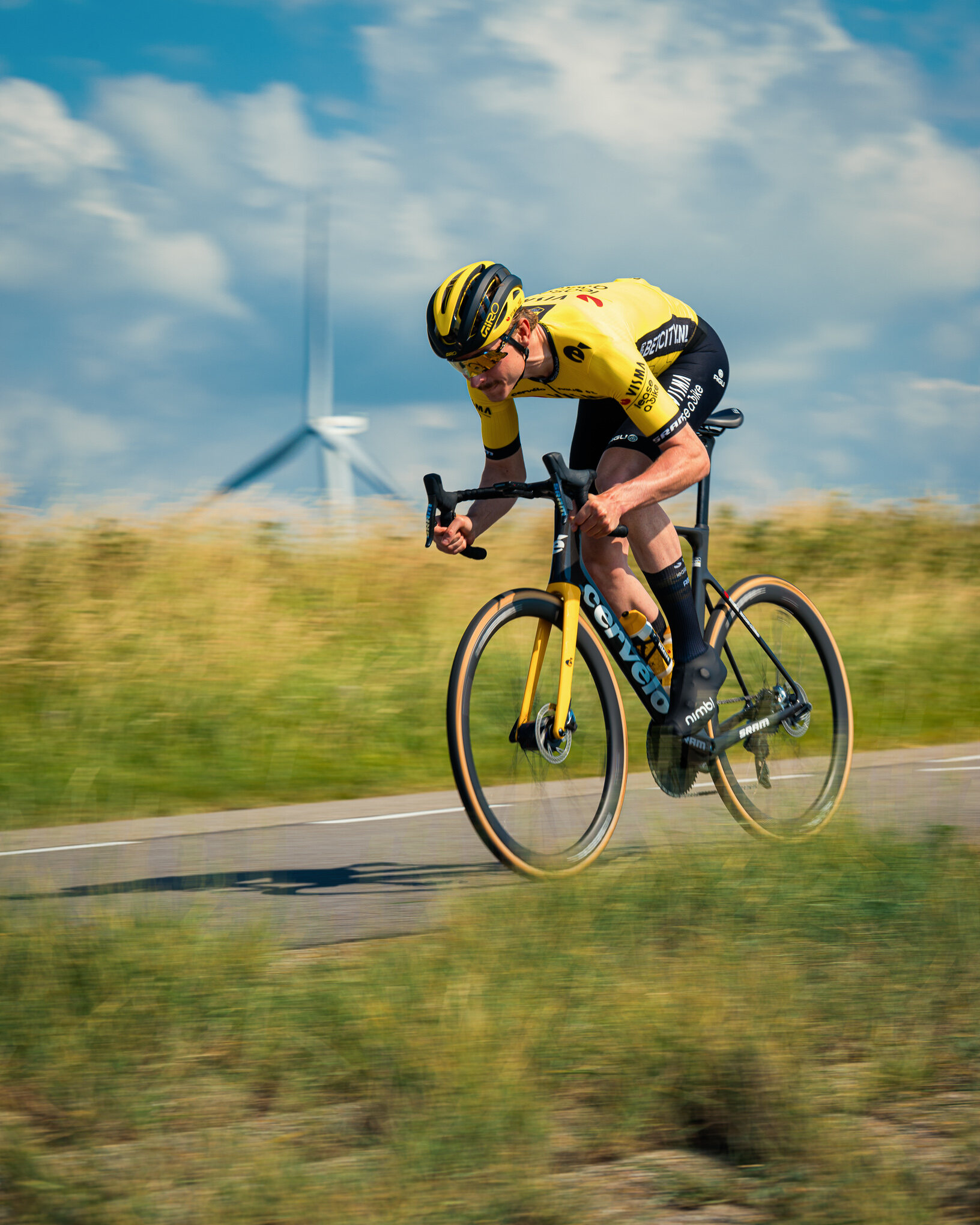
GRAVAA's adaptieve bandenspanningstechnologie werd bijzonder relevant in het professionele gravel- en kasseiwielrennen. Het earned-mediasysteem was voorbereid vóór de grootste wedstrijdmomenten.
Dat betekende dat journalisten de technologie en haar relevantie al begrepen toen het grote sportieve bewijs arriveerde. Het verhaal hoefde achteraf niet bedacht te worden.
Het programma leverde 30+ wereldwijde mediaplaatsingen op, verdrievoudigde het social publiek en voegde 9.000 subscribers toe.
GRAVAA: voorbereiding zette veelbekeken productgebruik om in begrijpelijk internationaal bewijs en een direct bereikbaar publiek.
Crowdfunding is ook een bewijslaunch
Een publieke crowdfundingcampagne vraagt mensen niet alleen om geld. Het vraagt hen de kans te begrijpen, de mensen erachter te vertrouwen en te geloven dat anderen dezelfde waarde zien.
Voor een lopende publieke crowdfundinglaunch omvatte mijn rol de positionering, het launchverhaal en earned-aandachtsinspanningen. Op het moment van schrijven had de campagne €350.000 opgehaald.
Het bedrag doet ertoe, maar dat geldt ook voor de zichtbaar groeiende hoeveelheid vertrouwen. Elke bijdrage wordt onderdeel van het bewijs dat toekomstige deelnemers beoordelen.
Dit betekent niet dat het verhaal alleen het resultaat veroorzaakte. Product, team, voorwaarden, timing, netwerk en campagne-uitvoering doen er allemaal toe. De strategische communicatietaak is om die echte sterke punten begrijpelijk te maken.
Bereid je voor op succes, niet alleen op de launchdag
Teams plannen vaak hoe ze aandacht genereren, maar niet wat er gebeurt als ze die ontvangen.
- Kan de website de interesse aan en uitleggen?
- Kan sales snel reageren zonder het verhaal te veranderen?
- Hebben journalisten toegang tot kloppend materiaal?
- Kunnen mensen zich aanmelden als ze geïnteresseerd maar nog niet klaar zijn?
- Kan het bedrijf het resulterende bewijs hergebruiken in toekomstige gesprekken?
Een launch zou het bedrijf meer moeten opleveren dan een piek. Het zou een sterker bewijsfundament, een groter bereikbaar publiek en helderder inzicht in wat de markt waardeert moeten creëren.
Wat te doen als de launch al dichtbij is
Probeer geen zes weken werk in twee dagen af te ronden. Geef prioriteit aan drie dingen:
- Eén heldere uitspraak over klantwaarde.
- Eén geloofwaardig bewijspunt dat onafhankelijk te begrijpen is.
- Eén nuttige bestemming voor gekwalificeerde aandacht.
Behandel de launch dan als het begin van een langer bewijsprogramma, in plaats van de enige dag die telt.
De echte launchvraag
Vraag niet alleen: 'Hoe zorgen we dat mensen kijken?'
Vraag: 'Als de juiste mensen kijken, wat helpt hen dan begrijpen, geloven en handelen?'
Het antwoord moet er zijn vóór de launchdag.
Vind het verhaal dat de markt zal doorvertellen
Breng propositie, bewijs, externe stemmen, timing en de commerciële volgende stap samen voordat het aandachtsvenster opengaat.
Plan een Outside-In gesprek